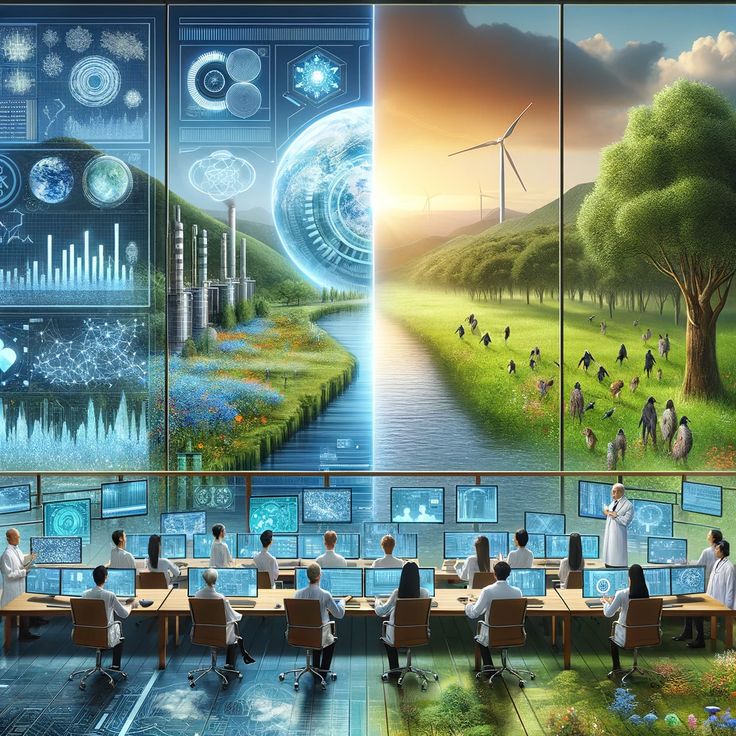
The modern world is defined by rapid scientific progress and technological innovation, from artificial intelligence and genetic engineering to renewable energy and space exploration. While science drives growth and improves quality of life, it also raises important ethical questions. Balancing scientific advancement with moral responsibility ensures that technology benefits humanity without causing harm. Understanding the intersection of science and ethics is essential for researchers, policymakers, and citizens navigating complex challenges in today’s society.
The Role of Science in Society
Science impacts almost every aspect of modern life, including medicine, agriculture, communication, and environmental management. Breakthroughs in genomics, robotics, and nanotechnology offer unprecedented opportunities for improving human well-being. For instance, medical advancements such as CRISPR gene editing can prevent genetic diseases, while renewable energy technologies combat climate change. However, rapid progress also introduces risks, requiring careful ethical consideration to avoid unintended consequences. Science is not only a tool for discovery but also a responsibility that requires oversight and reflection on its societal impact.
Ethical Principles in Scientific Research
Ethics in science ensures that research is conducted responsibly and that its outcomes respect human dignity, environmental sustainability, and societal welfare. Core ethical principles include:
1. Beneficence and Non-Maleficence
Scientists must aim to benefit society while minimizing harm. Research that poses excessive risk to participants, ecosystems, or communities must be carefully evaluated. For example, experiments involving genetic manipulation or AI decision-making require risk assessments and safeguards to prevent adverse consequences.
2. Autonomy and Informed Consent
Respecting individual autonomy is essential in medical and social research. Participants should be fully informed about the nature, purpose, and potential risks of studies. Informed consent protects individuals’ rights and ensures voluntary participation, particularly in fields such as clinical trials or human genetics.
3. Justice and Fairness
Ethics demands equitable distribution of scientific benefits and burdens. Access to medical treatments, technology, or research opportunities should not be limited by socioeconomic status, race, or geography. Ethical research promotes fairness in resource allocation and minimizes exploitation of vulnerable populations.
4. Integrity and Transparency
Scientific integrity requires honesty in data collection, analysis, and reporting. Transparency in methodology and funding sources ensures credibility and trust. Ethical misconduct, including data fabrication, plagiarism, or selective reporting, undermines public confidence and can have serious societal repercussions.
Contemporary Ethical Challenges in Science
Modern science presents unique ethical challenges that require careful deliberation and policy oversight.
Genetic Engineering and Biotechnology
Advances in genetic engineering, such as CRISPR, allow scientists to edit genes with unprecedented precision. While this technology holds the potential to eradicate hereditary diseases, it also raises ethical questions about designer babies, unintended mutations, and ecological disruption. Balancing innovation with moral responsibility is critical to ensure benefits while avoiding harm.
Artificial Intelligence and Automation
AI is transforming industries, healthcare, and daily life. Ethical concerns include privacy, bias, decision-making transparency, and job displacement. For example, algorithmic bias in predictive policing or healthcare allocation can perpetuate social inequalities. Establishing ethical frameworks for AI development ensures fairness, accountability, and protection of human rights.
Environmental and Climate Ethics
Scientific solutions to climate change, such as geoengineering, pose ethical dilemmas. While these technologies could mitigate global warming, they may also create unpredictable ecological consequences and geopolitical conflicts. Ethical approaches prioritize sustainability, intergenerational responsibility, and global cooperation to protect the planet.
Medical and Clinical Ethics
Modern medicine raises questions about experimental treatments, end-of-life care, and equitable access to healthcare. For instance, prioritizing limited vaccines during pandemics requires ethical frameworks that balance efficacy, fairness, and social justice. Clinical trials must ensure participant safety, informed consent, and transparent reporting of results.
Science Policy and Regulation
Governments, international organizations, and professional bodies play a crucial role in guiding ethical science. Policies regulate human and animal research, environmental impact, data privacy, and intellectual property. Ethical oversight boards, institutional review committees, and international agreements ensure that scientific progress aligns with societal values. Policymakers must balance innovation with precaution to avoid harm while promoting scientific advancement.
Public Engagement and Ethical Awareness
Ethical science requires active engagement with the public. Citizens should be informed about new technologies, potential risks, and societal implications. Public debate, education, and participatory decision-making ensure that science serves collective interests. Engaging communities in discussions about AI, gene editing, or environmental interventions strengthens accountability and trust between scientists and society.
Case Studies in Science and Ethics
1. CRISPR Gene Editing
The application of CRISPR technology to modify human embryos sparked global ethical debate. While it offers solutions for genetic diseases, the long-term consequences and moral implications of altering human DNA demand careful regulation and societal consensus.
2. AI in Healthcare
AI systems in diagnostics can improve patient outcomes but may introduce bias if training data is incomplete. Ethical considerations include accountability, transparency, and ensuring equitable access to AI-powered healthcare services.
3. Climate Intervention Technologies
Geoengineering proposals, such as solar radiation management, aim to reduce global warming. Ethical concerns involve environmental risk, unequal global impact, and consent from affected populations. Transparent assessment and international collaboration are vital.
Balancing Innovation and Responsibility
Science and ethics are not mutually exclusive; they complement each other. Responsible innovation ensures that technological advances improve lives while minimizing harm. Scientists must consider long-term consequences, social justice, and sustainability. Ethical frameworks guide research priorities, resource allocation, and implementation strategies, creating a foundation for scientific progress that aligns with societal values.
Global Collaboration
Ethical challenges in science often transcend national borders. Climate change, pandemics, and AI governance require international cooperation. Agreements, treaties, and ethical guidelines help harmonize scientific practices, ensuring that global progress benefits humanity collectively.
Education and Ethical Literacy
Educating scientists, policymakers, and the public about ethics is crucial. Integrating ethics into STEM education encourages critical thinking, moral reasoning, and responsible decision-making. Ethical literacy fosters a culture where innovation is paired with accountability and public welfare considerations.
Conclusion
In the modern world, scientific advancement and ethical responsibility are inseparable. While science drives progress and improves quality of life, ethical considerations guide the use of new technologies in ways that protect humans, society, and the environment. Addressing ethical challenges in genetic engineering, AI, healthcare, and climate science ensures that innovation remains beneficial and sustainable. By integrating ethics into research, policy, and public engagement, humanity can navigate the opportunities and risks of the modern scientific era responsibly and thoughtfully.