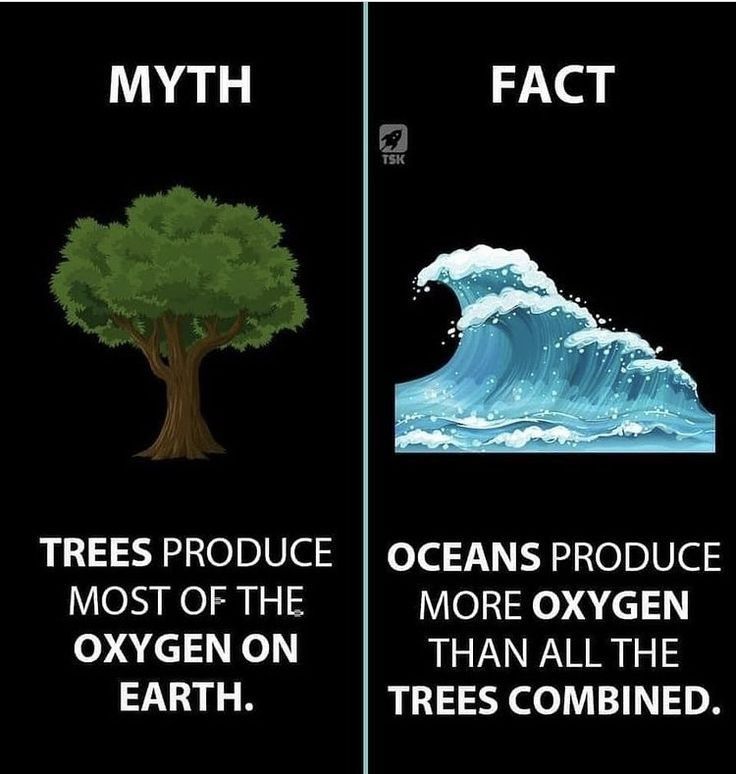
Science is often misunderstood, and misconceptions can spread widely, creating myths that persist despite evidence to the contrary. These myths may arise from outdated information, misinterpretation of experiments, or popular culture. Understanding the difference between scientific myths and facts is essential for critical thinking, education, and informed decision-making. By debunking common science myths, individuals can rely on evidence-based knowledge, improve scientific literacy, and make better choices in daily life.
Common Science Myths and Their Facts
1. Humans Only Use 10% of Their Brain
Myth: Many believe that 90% of the human brain remains unused, implying hidden potential.
Fact: Neuroimaging shows that almost every part of the brain is active at some point. While not all neurons fire simultaneously, nearly all regions have a specific function, from sensory processing to decision-making. The 10% myth is a misrepresentation of how brain activity works.
2. Lightning Never Strikes the Same Place Twice
Myth: Lightning supposedly avoids striking the same location more than once.
Fact: Lightning often strikes the same place multiple times, especially tall or conductive structures. For instance, the Empire State Building is struck dozens of times annually. Lightning is influenced by electrical charge distribution, not previous strikes.
3. Sugar Causes Hyperactivity in Children
Myth: Eating sugar directly makes children hyperactive.
Fact: Numerous studies show no direct correlation between sugar intake and hyperactivity. Behavioral changes are more influenced by environment, excitement, or anticipation of treats rather than sugar itself.
4. Hair and Nails Continue Growing After Death
Myth: Hair and nails keep growing after a person dies.
Fact: Dehydration and skin retraction after death make hair and nails appear longer, but biological growth ceases immediately upon death.
5. Humans Swallow Eight Spiders a Year in Sleep
Myth: The idea that humans swallow spiders while sleeping is widely circulated.
Fact: There is no scientific evidence to support this claim. Spiders generally avoid humans, and such encounters are extremely rare.
Scientific Myths in Health and Medicine
6. Vaccines Cause Autism
Myth: A now-discredited study suggested a link between vaccines and autism.
Fact: Extensive research shows no causal connection. Vaccines prevent diseases, save lives, and are thoroughly tested for safety. Misinformation has led to public health challenges and decreased vaccination rates.
7. Cold Weather Causes Colds
Myth: Being cold or wet directly causes the common cold.
Fact: Colds are caused by viruses, primarily rhinoviruses. Cold weather may weaken immunity slightly or increase indoor crowding, but exposure to the virus—not temperature—causes infection.
8. Detox Diets Flush Toxins
Myth: Detox diets and cleanses remove toxins from the body.
Fact: The liver and kidneys naturally detoxify the body. No scientific evidence supports the claim that detox diets accelerate toxin removal, though healthy diets do support overall organ function.
Science Myths in Physics and Astronomy
9. The Great Wall of China is Visible from Space
Myth: The Great Wall is the only man-made structure visible from the Moon or space.
Fact: The Great Wall is narrow and blends with the landscape. While visible from low Earth orbit under specific conditions, many other human structures are more easily seen.
10. Seasons Are Caused by Earth’s Distance from the Sun
Myth: Summer occurs when the Earth is closer to the Sun.
Fact: Seasons result from the tilt of the Earth’s axis. The hemisphere tilted toward the Sun experiences summer, regardless of distance, while the other experiences winter.
11. Black Holes Suck Everything
Myth: Black holes act as cosmic vacuum cleaners, sucking in everything nearby.
Fact: Black holes have strong gravity, but objects must be very close to be affected. Orbits, like that of stars around Sagittarius A*, show that objects at a safe distance move normally under gravity, not being “sucked in.”
Science Myths in Everyday Life
12. Cell Phones Cause Cancer
Myth: Cell phone radiation causes cancer.
Fact: Current research finds no conclusive evidence linking typical cell phone use to cancer. Regulatory limits on radiation exposure are designed to ensure safety for daily use.
13. Reading in Dim Light Damages Eyes
Myth: Reading in low light permanently harms vision.
Fact: Dim light can cause eye strain and fatigue, but it does not cause permanent damage. Proper lighting improves comfort but does not prevent long-term vision problems.
14. Humans Have Distinct Blood Types That Determine Personality
Myth: Blood type determines personality traits.
Fact: There is no scientific evidence supporting a connection between blood type and personality. This myth is culturally popular in some countries but is biologically unfounded.
Why Science Myths Persist
Science myths persist due to a combination of factors: misinformation, cognitive biases, oversimplification of complex topics, and reliance on anecdotal evidence. Popular media, social networks, and cultural beliefs can amplify misconceptions. Correcting myths requires clear communication, critical thinking, and accessible education that bridges the gap between complex scientific knowledge and everyday understanding.
How to Distinguish Myths from Facts
1. Verify information from credible sources such as peer-reviewed journals, government agencies, or reputable science organizations.
2. Check for empirical evidence supporting the claim.
3. Understand the scientific method and how hypotheses are tested.
4. Be skeptical of sensational claims without references or reproducible experiments.
5. Encourage discussion and inquiry to evaluate multiple perspectives before accepting information.
Benefits of Understanding Science Facts
Recognizing the difference between myths and facts empowers individuals to make informed decisions, improve health, and navigate daily life effectively. It fosters critical thinking, scientific literacy, and rational problem-solving. By debunking myths, society can also make better policy decisions, adopt safe technologies, and reduce the spread of misinformation.
Educational Approaches
Teachers and educators play a key role in dispelling science myths. Hands-on experiments, evidence-based lessons, and interactive learning can demonstrate scientific principles effectively. Encouraging students to question, research, and test claims nurtures curiosity and intellectual rigor, creating a generation capable of distinguishing fact from fiction in science and beyond.
Conclusion
Science myths are widespread, but understanding the underlying facts empowers individuals and society. By critically examining claims, relying on evidence, and promoting scientific literacy, myths can be debunked and replaced with accurate knowledge. Education, curiosity, and critical thinking are essential tools for navigating the modern world and making decisions informed by science rather than misconception.