Agriculture and food production have been central to human civilization, and science has dramatically transformed these fields. From crop genetics to sustainable farming techniques, scientific advancements help increase productivity, improve food quality, and reduce environmental impact. Understanding the role of science in agriculture and food systems is crucial for feeding a growing global population while maintaining ecological balance.
The Role of Agricultural Science
Agricultural science integrates biology, chemistry, physics, and environmental studies to improve crop and livestock production. It encompasses plant breeding, soil management, pest control, irrigation, and farm mechanization. Scientists aim to optimize yields, enhance nutrition, and ensure sustainable practices that conserve resources and minimize ecological harm.
Crop Improvement and Genetics
Genetics plays a vital role in developing high-yield, disease-resistant crops. Traditional breeding techniques select desirable traits, while modern biotechnology uses genetic engineering to introduce specific characteristics. For example, genetically modified (GM) crops like Bt cotton resist pests naturally, reducing pesticide use. Marker-assisted selection accelerates breeding programs by identifying genes linked to productivity and resilience.
Soil Science and Fertility
Soil is the foundation of agriculture. Soil science studies its composition, structure, and nutrient content to improve fertility and sustainability. Techniques like crop rotation, composting, and biofertilizers enrich the soil and reduce chemical dependency. Soil testing and monitoring help farmers apply nutrients efficiently, increasing yields while preventing environmental degradation.
Advances in Farming Technology
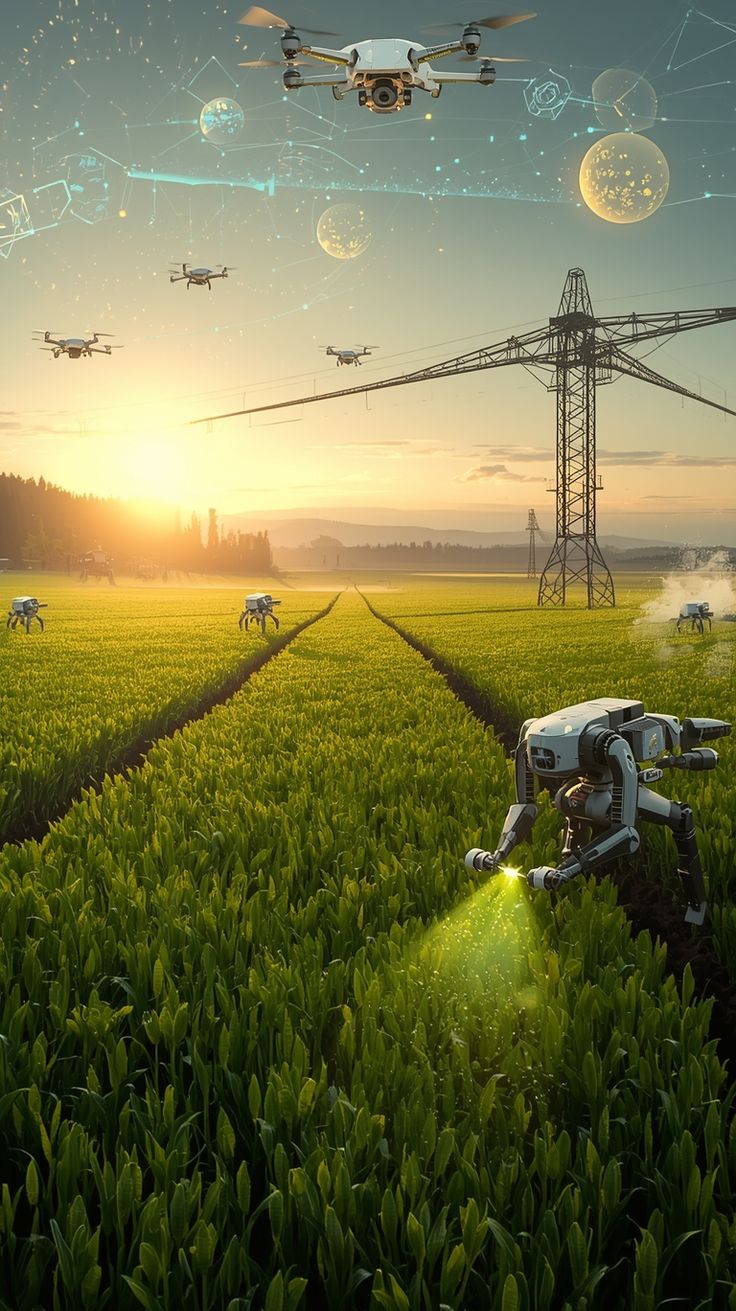
Modern agriculture relies heavily on technology to improve efficiency, reduce labor, and minimize waste. Precision farming uses GPS, sensors, and drones to monitor crops, soil, and water levels. Automated machinery, such as tractors, harvesters, and irrigation systems, streamlines production. Technology enables farmers to make data-driven decisions, optimize resource use, and improve overall productivity.
Irrigation and Water Management
Efficient water use is critical for sustainable agriculture. Drip irrigation delivers water directly to plant roots, reducing waste and evaporation. Sensors and smart irrigation systems adjust water supply based on soil moisture, weather conditions, and crop needs. Proper water management enhances crop growth, conserves resources, and prevents soil erosion.
Pest and Disease Management
Scientific approaches to pest and disease management reduce crop loss and environmental harm. Integrated Pest Management (IPM) combines biological, cultural, and chemical methods to control pests sustainably. Natural predators, crop rotation, resistant varieties, and selective pesticides reduce chemical dependency and protect biodiversity.
Food Science and Nutrition
Food science applies biology, chemistry, and technology to process, preserve, and enhance food. Understanding the nutritional content, safety, and shelf life of food is essential for public health. Food scientists develop methods to fortify products with vitamins, reduce contaminants, and create healthier alternatives without compromising taste or quality.
Food Processing and Preservation
Scientific techniques extend the shelf life of food and maintain safety. Pasteurization, refrigeration, freezing, vacuum packaging, and fermentation prevent spoilage and contamination. Advances in nanotechnology and packaging materials further enhance food safety by reducing microbial growth and preserving nutrients during storage and transport.
Nutrition and Functional Foods
Nutrition science informs consumers and producers about healthy diets and nutrient needs. Functional foods, such as probiotics, fortified cereals, and omega-3 enriched products, provide health benefits beyond basic nutrition. Understanding how food impacts health helps address malnutrition, obesity, and chronic diseases.
Sustainable Agriculture and Environmental Impact
Modern agriculture must balance productivity with environmental sustainability. Climate change, soil degradation, and water scarcity challenge traditional practices. Sustainable agriculture integrates scientific methods to reduce environmental impact while ensuring food security. Practices include organic farming, agroforestry, conservation tillage, and crop diversification.
Climate-Smart Agriculture
Climate-smart agriculture adapts to changing environmental conditions while reducing greenhouse gas emissions. Techniques such as drought-resistant crops, efficient irrigation, carbon sequestration, and renewable energy integration make farming resilient to climate challenges. Scientific research guides these practices, allowing farmers to maintain productivity and protect ecosystems.
Reducing Food Waste
Food loss and waste are global challenges. Science helps improve storage, transportation, and processing to reduce spoilage. Smart packaging, temperature monitoring, and predictive analytics help retailers and consumers minimize waste. Reducing food waste conserves resources, lowers environmental impact, and improves food security.
Future Trends in Agriculture and Food Science
The future of agriculture and food science includes innovations that improve efficiency, sustainability, and health outcomes. Vertical farming, hydroponics, and aquaponics allow food production in urban environments with minimal land use. Genetic editing tools like CRISPR enable precise crop improvement. Artificial intelligence, machine learning, and robotics optimize farming operations, enhancing productivity and environmental stewardship.
Urban Agriculture
Urban agriculture integrates technology and science to produce food in cities, reducing transportation costs and emissions. Rooftop gardens, hydroponic systems, and vertical farms maximize limited space while providing fresh produce. Urban agriculture also promotes community engagement, nutrition awareness, and local economic growth.
Food Safety and Traceability
Advances in biotechnology, blockchain, and sensors improve food traceability and safety. Consumers can track food origin, handling, and quality, ensuring transparency and reducing the risk of contamination. Scientific monitoring helps maintain public health standards and builds trust in the food supply chain.
Conclusion
Science plays a vital role in agriculture and food systems, from improving crop yields and nutrition to ensuring sustainability and environmental protection. Advances in genetics, soil science, technology, and food science transform the way food is grown, processed, and consumed. Sustainable practices, climate-smart strategies, and innovations in urban agriculture and food safety are shaping the future of global food production. By integrating science into agriculture and food, humanity can meet the demands of a growing population while preserving the planet for future generations.