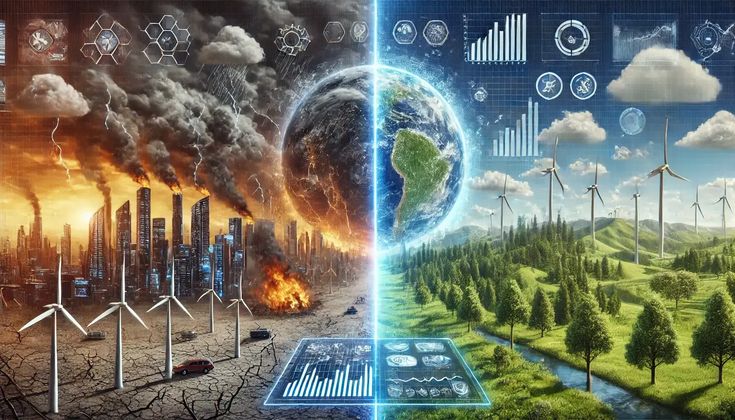
The science of climate and environment explores how the Earth’s systems operate, interact, and evolve over time. Understanding climate and environmental processes is critical in addressing global challenges such as climate change, pollution, biodiversity loss, and natural disasters. Scientific research in this field combines atmospheric studies, oceanography, ecology, geology, and environmental chemistry to provide insights into human impact, sustainability, and strategies for adaptation and mitigation.
Understanding Climate Science
Climate science focuses on the long-term patterns and dynamics of the Earth’s atmosphere. It involves the study of temperature trends, precipitation patterns, atmospheric composition, and energy balance. Scientists use historical data, ice cores, tree rings, and satellite observations to reconstruct past climates and predict future trends. Understanding these patterns helps explain natural phenomena such as El Niño and La Niña, monsoons, and extreme weather events.
Components of the Climate System
The climate system consists of four major components: the atmosphere, hydrosphere, cryosphere, and biosphere. The atmosphere governs temperature, wind, and precipitation. The hydrosphere, including oceans, rivers, and lakes, regulates heat distribution and drives weather patterns. The cryosphere, consisting of glaciers and ice caps, affects sea levels and reflects solar radiation. The biosphere, including plants, animals, and humans, interacts with climate through carbon cycles, land use, and energy flow.
Greenhouse Effect and Global Warming
The greenhouse effect is a natural process where certain gases trap heat in the atmosphere, keeping the Earth warm enough to support life. However, human activities, such as burning fossil fuels and deforestation, have increased greenhouse gas concentrations, leading to global warming. Rising temperatures contribute to melting ice caps, sea-level rise, extreme heatwaves, and changing precipitation patterns, making understanding this process crucial for environmental sustainability.
Environmental Science and Ecosystems
Environmental science examines the interactions between humans and natural ecosystems. It studies how human activities, including urbanization, industrialization, and agriculture, affect air, water, soil, and biodiversity. Scientists assess ecosystem health, monitor pollution levels, and develop strategies for conservation and sustainable resource management. Healthy ecosystems are vital for clean air, water, food production, and climate regulation.
Biodiversity and Conservation
Biodiversity refers to the variety of life forms in an ecosystem. High biodiversity enhances ecosystem stability, productivity, and resilience. Human activities such as deforestation, habitat destruction, and pollution threaten biodiversity, leading to species extinction and ecological imbalance. Conservation strategies, including protected areas, habitat restoration, and sustainable practices, help maintain biodiversity and ecological integrity.
Pollution and Environmental Degradation
Pollution, including air, water, and soil contamination, poses significant risks to human health and ecosystems. Industrial emissions, chemical runoff, and plastic waste disrupt natural processes and contribute to climate change. Monitoring pollution levels and implementing policies to reduce emissions are essential for environmental protection. Environmental science provides tools to assess impacts, propose solutions, and promote sustainable practices.
Climate Change Impacts
Climate change has widespread impacts on ecosystems, human societies, and the global economy. Rising temperatures, changing precipitation patterns, and increased frequency of extreme weather events affect agriculture, water availability, and energy systems. Coastal regions face threats from sea-level rise and storm surges, while inland areas experience droughts, floods, and heatwaves. Understanding these impacts enables governments and communities to develop adaptation and mitigation strategies.
Adaptation Strategies
Adaptation involves adjusting practices, infrastructure, and policies to cope with climate impacts. Examples include building flood defenses, developing drought-resistant crops, and enhancing water management systems. Urban planning that incorporates green spaces, efficient transportation, and renewable energy also reduces vulnerability to climate hazards. Adaptation improves resilience and protects human health, infrastructure, and ecosystems.
Mitigation Measures
Mitigation focuses on reducing greenhouse gas emissions to limit future climate change. Renewable energy sources, such as solar, wind, and hydroelectric power, replace fossil fuels. Reforestation and carbon capture technologies absorb excess carbon dioxide from the atmosphere. International agreements, like the Paris Agreement, set targets for emission reduction, emphasizing collective action and responsibility for the planet’s future.
Role of Technology in Climate and Environmental Science
Advances in technology enable better monitoring, analysis, and solutions for climate and environmental challenges. Satellites provide global observations of temperature, sea levels, and atmospheric composition. Geographic Information Systems (GIS) map land use changes and natural hazards. Artificial intelligence and big data help predict climate trends, optimize energy use, and develop sustainable policies. Technology enhances the ability to respond to environmental crises efficiently and effectively.
Renewable Energy and Sustainability
Transitioning to renewable energy reduces greenhouse gas emissions and minimizes environmental degradation. Solar panels, wind turbines, and bioenergy provide clean energy alternatives. Sustainable practices in agriculture, industry, and transportation reduce environmental footprints, conserve resources, and promote long-term ecological balance.
Climate Research and Policy Making
Scientific research informs policy decisions at local, national, and global levels. Climate models, environmental assessments, and scenario planning guide strategies for reducing emissions, protecting ecosystems, and preparing for climate impacts. Evidence-based policies ensure that interventions are effective, equitable, and sustainable.
Public Awareness and Global Action
Addressing climate change and environmental degradation requires global cooperation and public engagement. Education, advocacy, and community initiatives raise awareness about the importance of sustainable practices, conservation, and responsible resource use. Participation in environmental programs, adoption of green technologies, and informed lifestyle choices empower individuals to contribute to climate solutions.
International Collaboration
Climate and environmental challenges transcend borders, requiring international collaboration. Agreements such as the United Nations Framework Convention on Climate Change (UNFCCC) and the Sustainable Development Goals (SDGs) promote coordinated action. Countries share research, technology, and resources to reduce emissions, protect biodiversity, and ensure environmental sustainability globally.
Individual and Community Action
Individuals can make meaningful contributions through energy conservation, recycling, sustainable consumption, and support for environmental initiatives. Communities can implement local solutions, such as urban green spaces, water conservation projects, and clean transportation options, enhancing collective resilience and environmental stewardship.
Conclusion
The science of climate and environment provides essential knowledge to understand and manage the Earth’s complex systems. By integrating climate science, ecology, and environmental studies, humanity can mitigate the impacts of climate change, protect biodiversity, and promote sustainable development. Technology, policy, and global cooperation play key roles in addressing these challenges, while public awareness and action ensure long-term solutions. Studying and applying climate and environmental science is crucial for safeguarding the planet for current and future generations, enabling a balanced coexistence between human society and the natural world.